Budget Travel Tips: How to See the World Without Draining Your Savings
You don't need a trust fund to travel well — you need better budget travel tips than "just book cheaper." The gap between an expensive trip and an affordable one usually isn't the destination. It's a handful of decisions made in the right order: where your money leaks, which corners actually matter, and which "splurges" are secretly the cheap option. Nail those and you can spend weeks somewhere incredible for what a long weekend costs back home.
This guide breaks the budget down where it counts — flights, stays, and food — then hands you a list of countries where a comfortable day still comes in under $50. If you want the full booking workflow these tips plug into, start with our pillar guide on how to book a trip in 2026, then come back here to make every line of it cheaper.
The Big Three: Where Your Money Actually Goes
Most travel spending lands in three buckets: flights, accommodation, and food. Trim these and the rest of the budget mostly takes care of itself.
Flights: Be Flexible, Not Loyal
The single most powerful budget lever is flexibility. Fixed dates and a fixed airport lock you into whatever price the calendar decides. Loosen either one and options open up.
- Search flexible dates. A weekday departure or a shift of two or three days can move a fare more than any coupon ever will.
- Consider nearby airports. A secondary airport an hour out can undercut the convenient one enough to cover your transfer and then some.
- Fly the budget carriers, eyes open. Ryanair and easyJet across Europe, AirAsia and Scoot across Asia. The base fare is genuinely cheap — just price the add-ons (bags, seats) before you commit, because a checked bag can erase the savings. The trick is traveling carry-on only, which our packing hacks guide makes surprisingly doable.
- Use points strategically. A travel rewards card earned on spending you'd do anyway can turn into a free long-haul leg. Just never carry a balance chasing points — interest wipes out any reward.
Set price alerts and let the deals come to you instead of refreshing search results on faith.
Accommodation: Sleep Cheap, Live Well
A bed is a bed at 2 a.m. Save here and spend the difference on the trip itself.
- Modern hostels are the budget traveler's not-so-secret weapon — private rooms, kitchens, coworking corners, and a built-in social scene, often for a fraction of a hotel.
- Book off-season. The same room routinely drops 30 to 50 percent outside peak dates, and the shoulder-season weather is frequently just as good.
- Choose a kitchen. A rental or hostel with a stove lets you cook a few meals and save real money without feeling like you're rationing.
- Stay a little farther out. One neighborhood removed from the main tourist strip, near good public transport, often means better prices and a more local feel.
Food: Eat Like a Local, Not a Tourist
Food can quietly become your biggest daily expense — or one of the best-value parts of the trip.
- Eat where locals eat. Street stalls and neighborhood spots are cheaper and usually better than the restaurants clustered around the sights.
- Make lunch the big meal. Set lunch menus often deliver the same kitchen's dinner food at half the price.
- Shop the markets. Fresh fruit, bread, and snacks from a local market cost a fraction of café prices and make excellent travel-day fuel.
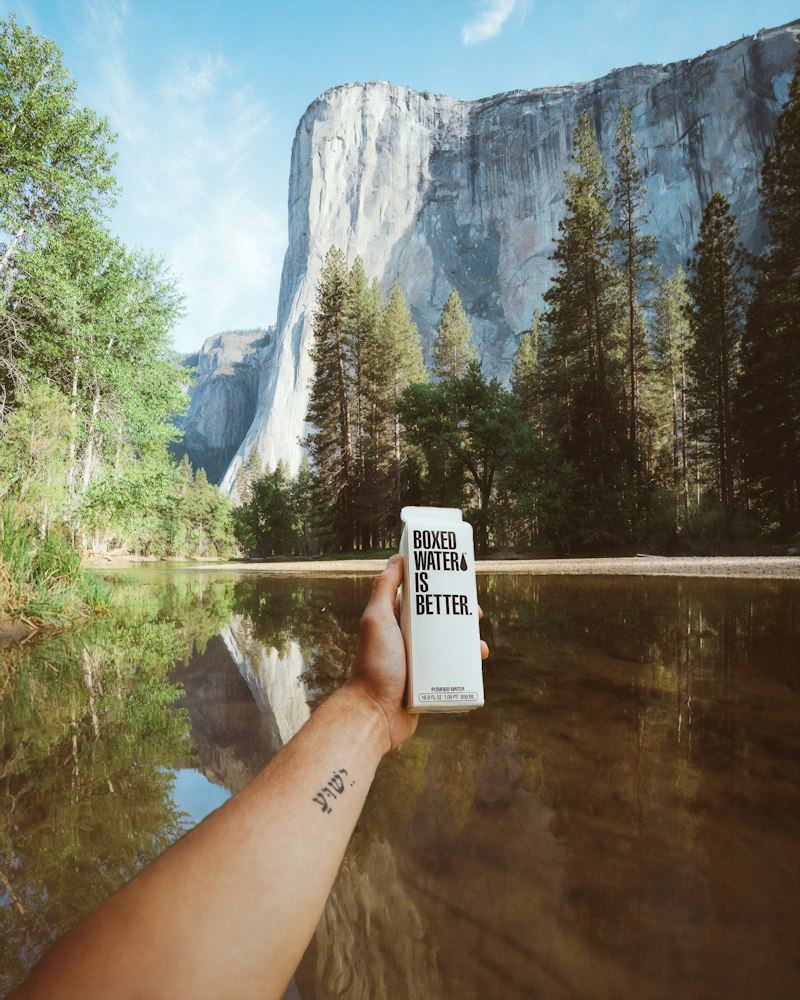
- Carry a refillable water bottle. Where the tap is safe, this saves a few dollars a day and a small mountain of plastic.
Two Tactics That Quietly Save the Most
Beyond the big three, two mindset shifts do more heavy lifting than any single hack.
Travel slowly. Every flight, transfer, and one-night stay adds cost and friction. Spend a week in one city instead of hopping through four and you slash transport spending, unlock weekly accommodation discounts, and actually get to know a place. Slow travel is cheaper travel — it just doesn't look as impressive on a map.
Ride the shoulder season. The weeks bracketing peak season are the budget sweet spot: prices ease, crowds thin, and the weather is usually still fine. You get near-peak conditions at well-off-peak prices, whether that's a beach without the sunbed scrum or a landmark you can actually photograph.
Destinations Under $50 a Day
These countries let you cover a comfortable day — bed, food, local transport, and a bit of fun — for less than $50. Ranges assume budget-conscious choices, not deprivation.
- Vietnam — roughly $25 to $40 a day. Street food is a food-lover's playground, intercity buses and trains are cheap, and beaches, cities, and mountains all sit within one border.
- Nepal — roughly $20 to $35 a day. Guesthouse trekking in the Himalaya is one of the great budget adventures on earth, with Kathmandu's temples and markets as a low-cost base.
- Georgia — roughly $25 to $40 a day. Ancient wine country, dramatic mountains, and warm hospitality at prices that feel like a decade ago.
- Guatemala — roughly $30 to $45 a day. Volcano hikes, colonial Antigua, and Lake Atitlán, plus some of the most affordable Spanish schools in Latin America.
- India — roughly $20 to $45 a day. Vast, varied, and famously cheap once you're on the ground, with rail travel that's an experience in itself.
- Bolivia — roughly $25 to $40 a day. The Uyuni salt flats and high-altitude cities headline one of South America's best-value destinations.
Southeast Asia deserves its own shout-out for value density — you can string several of these price points into a single trip. Our Southeast Asia backpacking route maps a six-week run through Thailand, Laos, Vietnam, Cambodia, and Bali with daily budgets baked in. Before you go, sanity-check safety and entry rules for your route on your government's official travel advisory pages, like the U.S. State Department's country information site — a free step that can save you an expensive mistake.
Getting Around Without Getting Fleeced
Local transport is where budgets quietly bleed. A few habits keep it in check:
- Ride like a local. Metros, city buses, and shared minibuses cost a fraction of taxis and often move faster through traffic. A multi-day transit pass usually pays for itself by day two.
- Agree the price first. Where taxis don't run meters, confirm the fare before you get in, or use a ride-hailing app so the price is fixed and the route is tracked.
- Take the overnight option. An overnight train or bus between cities doubles as a night's accommodation — you save the fare and the hotel.
- Walk the center. Most historic city cores are compact and best seen on foot. It's free, and you'll spot the things you'd blur past from a cab window.
Free (or Nearly Free) Beats Expensive More Often Than You'd Think
Some of the best travel experiences cost nothing. Hiking trails, beaches, free-entry museums (many are free on set days), local festivals, and self-guided neighborhood walks routinely outshine the paid attractions around them. Free walking tours — tip what you can — are also the fastest way to get oriented in a new city and pick up local tips you'd never find online.
Let Atlas Do the Bargain-Hunting
Finding cheap flights, comparing off-season stays, and checking what a destination really costs per day is exactly the legwork that eats an evening. Atlas does it in a conversation. Tell it your budget and rough dates and it'll surface flexible-date flight prices, match affordable places to stay, and flag which destinations fit your number — so you spend your energy on the trip, not the spreadsheet.
Ready to prove that "budget" and "unforgettable" belong in the same sentence? Plan your low-cost adventure with Atlas and see how far your money can actually go.